64 1/2 vs 65 Mustangs

64 1/2 vs 65 Mustangs

How to Tell the Difference Between 64 1/2 and 65 Mustangs

While the 1964½ and 1965 Mustangs may look nearly identical at first glance, there are several key differences that set these early pony cars apart. From subtle body details to engine options and production changes, knowing how to tell them apart can be valuable for collectors, restorers, and enthusiasts alike. The information below breaks down the most notable differences between the two model years.


Differences Between 64 and 65

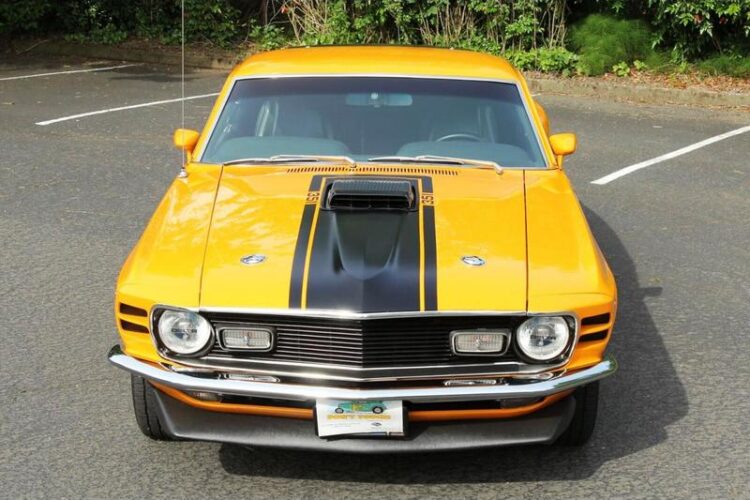
If it’s a fastback, it isn’t a 64 1/2 – those didn’t become available until ’65.

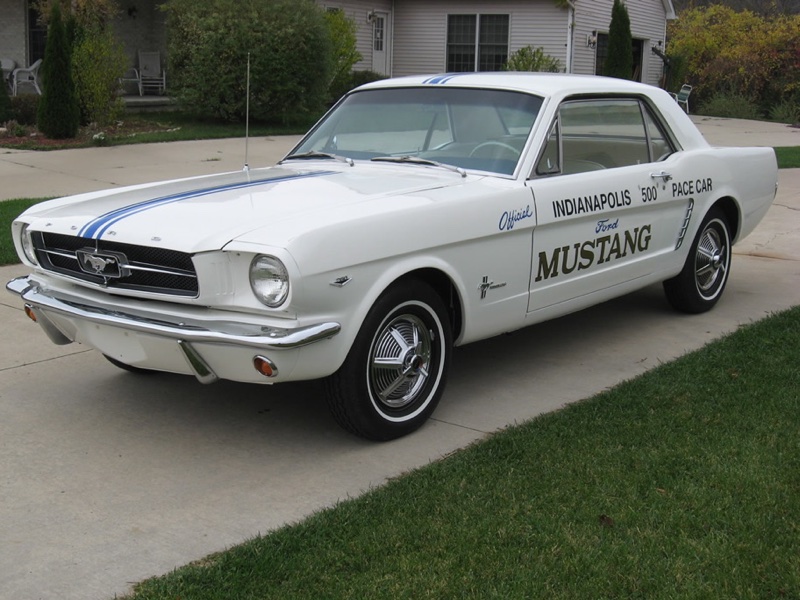
Standard wheel size for 1964 was 13 inch

Look at the hood – most have an “unimproved” or uncrimped hood with beveled headlamp bezels

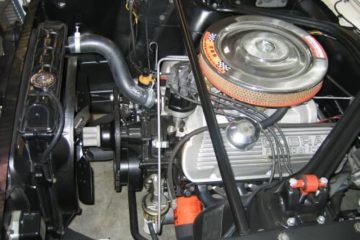
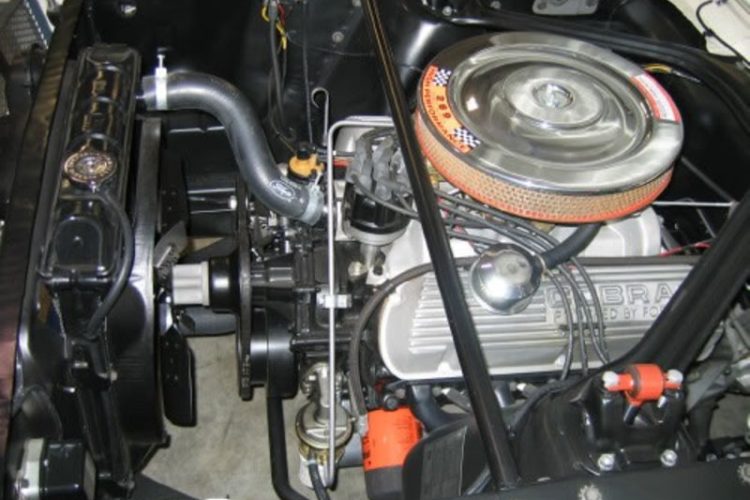
Look under the hood for:

  • Generator charging system – unique to 64
  • Large frame-mounted horns behind the radiator
  • Horn relay under voltage regulator
  • Radiator support with battery cooling vents
  • Master cylinder with brake light switch
  • hood hinges painted gloss black
  • Eaton power steering pump (you will find both an internal and external reservoir, depending on whether or not the car was air conditioned)
  • The 289 HiPo had an aluminum water pump
  • A number of both 260 and 289 engines had cast-iron water pump pulleys
  • The 64 1/2 engines 170 CI 6 cyl., 260 V-8 2V (164 HP), 289 V-8 4V (210 HP) and beginning June of 64, a 289 HiPo (271 HP)
  • V-8 engines had a 5 bolt bell housing
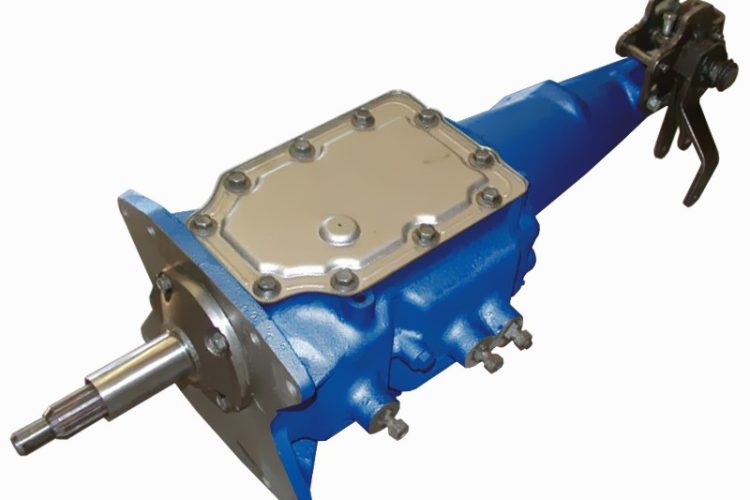
  • Early V-8s also had a narrow transmission bolt pattern

Interior

  • Some had an “A” on the vent knob, but not all
  • Cruise-O-Matics were fitted with a smaller shifter handle, but not all of them were produced this way
  • The 64-1/2 had a one model year only steering wheel. The slippers are different on 64 1/2
  • The same is true of 64-1/2 turn signal switch (slippers are different)
  • The carpet runs across the floor to the rocker panel, finished with a vinyl covering to the sill plates
  • Non-adjusting passenger seat (Mustangs manufactured before May 8, 1964)

Check the trunk for:

  • Slotted spare tire hold-down
  • Ratchet lug wrench (not in every case)
  • Pigtail tail light sockets

65 Mustangs - Changes from 1964 1/2

Exterior:

  • 14″ wheels standard
  • Improved “crimped” hood after August of 64
  • Headlight bezels were not beveled after August of 64
  • GT group became available – five-dial instrumentation, disc brakes, larger sway bars, quicker steering ratio, dual exhaust which exited through the rear valance panel, grill mounted fog lights, and special lower body side stripes.

Under the Hood:

  • Alternator charging system
  • Smaller horns mounted on radiator support
  • New engines – 200 CI 6 cyl., 289 V-8 2V, 289 V-8 4V, 289 V-8 Hi-Po 4V
  • Aluminum water pump replaced with Cast-iron on 289 Hi-Po
  • Six-bolt bell housing on V-8s to improve noise and vibration
  • Wider transmission bolt pattern improved vibration and noise levels
  • Ford manufactured power steering pump replaced Eaton
  • All pulleys were stamped steel

Interior:

  • Brake light switch moved under dash
  • Wall-to-wall carpeting replacing vinyl between rocker panel and sill plates
  • Vent knob is unmarked
  • Upgrade from two to three-speed fan switch
  • All models featured chrome lock buttons
  • New door handles starting March 1965)
  • Pony interior became available (special seat covers with running horses)
  • Interior door panels with integral arm rests and pistol grip door handles
  • Five gauge instrument cluster
  • Wood grain steering wheel

Trunk:

  • Weather tight taillight socket
  • Improved “J-hook” spare tire hold-down

A new interior option was added, the interior decor group (known as the pony interior), which featured special seat covers with running horses across the back, special interior door panels with integral arm rests and pistol grip door handles, five gauge instrument panel, wood grain steering wheel, and wood grain appliques on the instrument cluster, glove box, and optionally on the center console.

Another option introduced in April of 1965 was the GT equipment group. Available only with one of the two four barrel engines, the GT group included five-dial instrumentation, disc brakes, larger sway bars, quicker steering ratio, dual exhaust which exited through the rear valance panel, grill mounted foglights, and special lower body side stripes.

Subscribe

Sign up to receive
the latest news

All you need to know about everything that matters

Join Our Mailing List!